Publications
A selection of my scientific publications. All my publications are available in my Curriculum Vitae. For the full reference of each entry, please refer to the provided DOI link.
2026
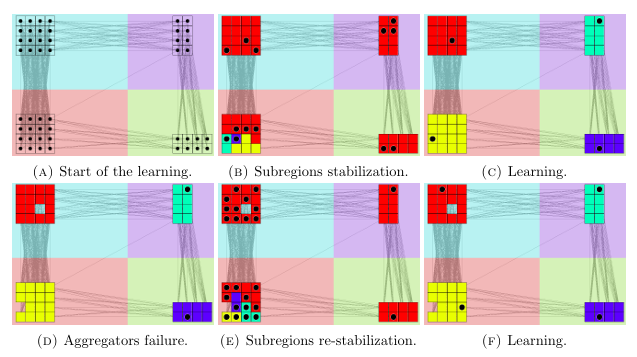
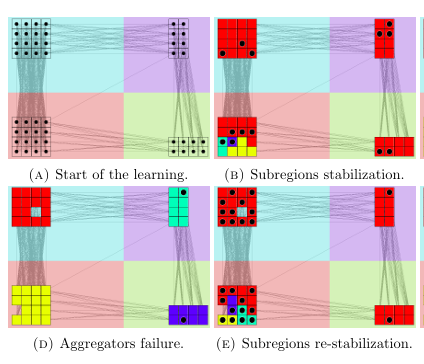
FBFL proposes a field-based coordination strategy for federated learning to handle data heterogeneity by leveraging spatial relationships and local model aggregation.
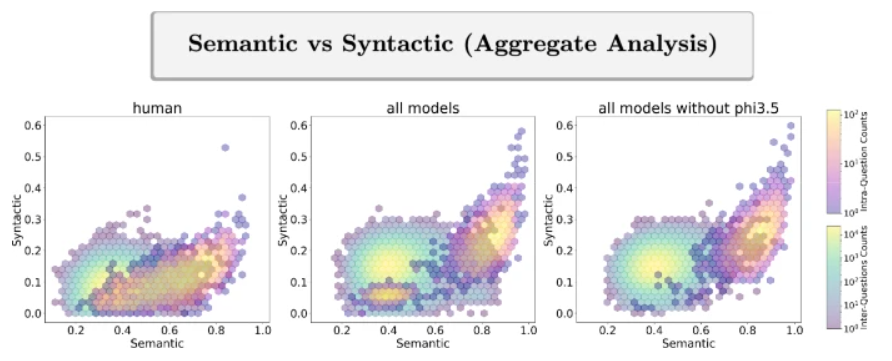
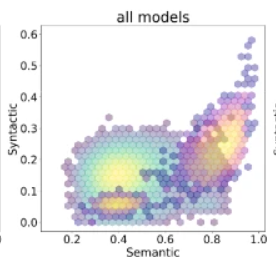
This research compares the creative output of Large Language Models (LLMs) and humans in educational settings by analyzing response variability to determine how LLMs simulate human-like creativity.
2025
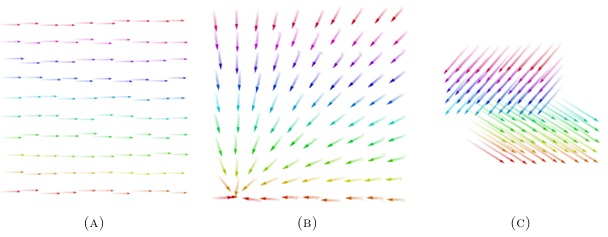
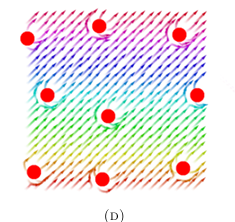
Introduces MacroSwarm, a Scala-based framework that enables the compositional design of complex swarm behaviors using field-based abstractions and aggregate computing.
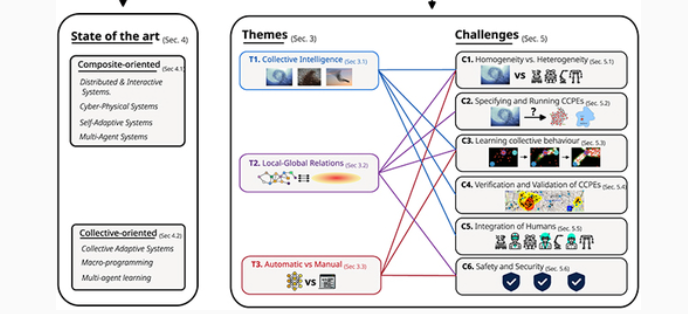
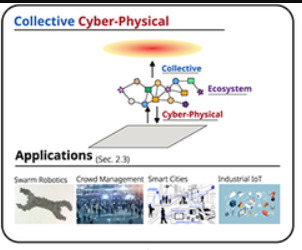
Outlines a software engineering methodology for collective cyber-physical ecosystems, focusing on the coordination and adaptive management of large-scale distributed systems.
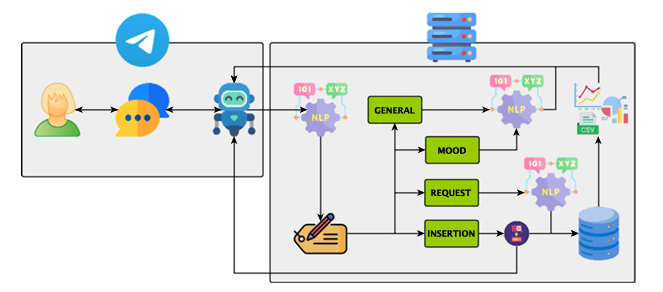
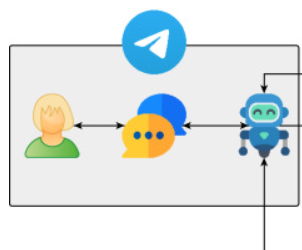
This research presents a privacy-preserving framework for LLM-based chatbots designed to assist hypertensive patients in self-managing their condition securely.
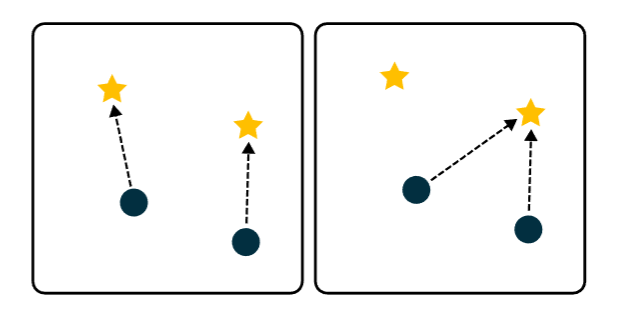
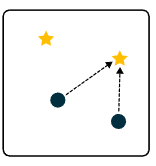
This study explores decentralized training strategies for multi-agent reinforcement learning where agents learn and share knowledge only with their immediate neighbors to improve scalability.
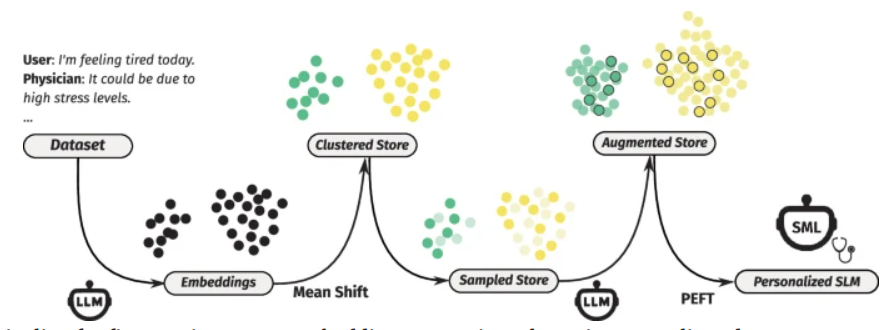
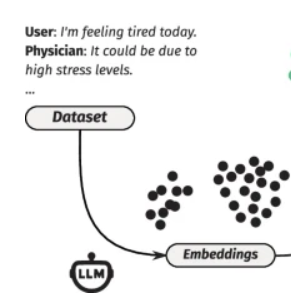
This paper proposes a fine-tuning pipeline for developing small, privacy-preserving healthcare chatbots that can be deployed locally using limited conversational data, addressing concerns about privacy and reliability in remote LLM services.
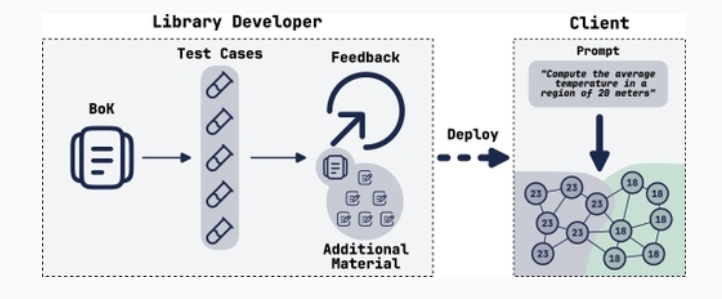
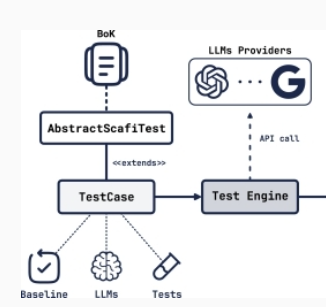
This paper explores leveraging Large Language Models (LLMs) for macroprogramming IoT systems, providing a language-based approach to simplify the coordination of multiple devices and capture global system behaviors.
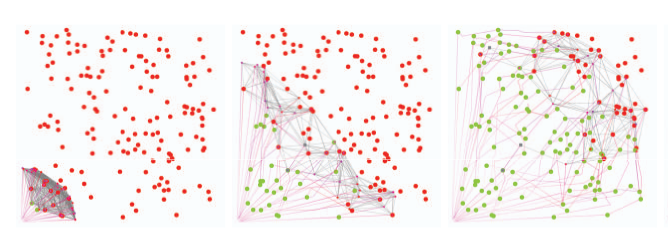
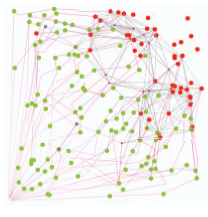
This paper introduces a field-based coordination strategy to enable runtime task replanning in swarm robotics missions using aggregate computing, ensuring adaptivity and robustness against robot failures in unpredictable environments.
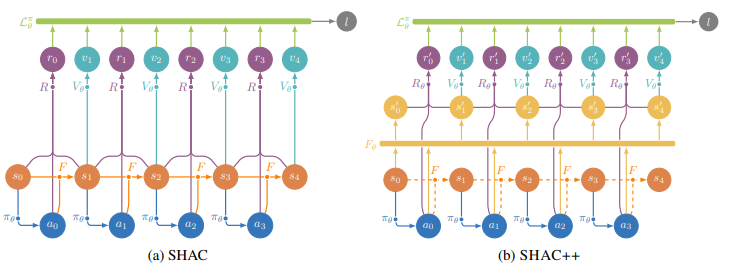
This paper presents SHAC++, a neural network-based framework that improves reinforcement learning efficiency by removing the requirement for fully differentiable environments and extending support to multi-agent scenarios.
This paper investigates the integration of Generative AI into Belief-Desire-Intention (BDI) agents to autonomously generate plans, leveraging the natural language understanding and reasoning capabilities of LLMs to enhance agent adaptability.
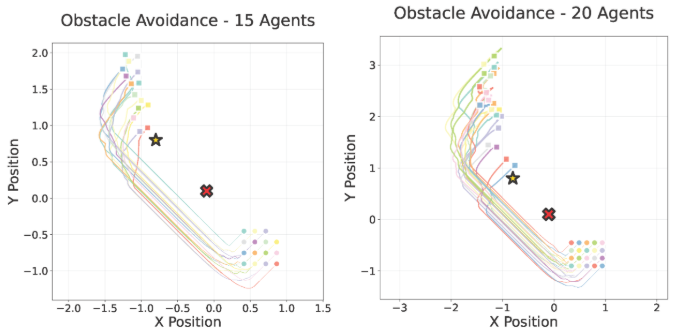
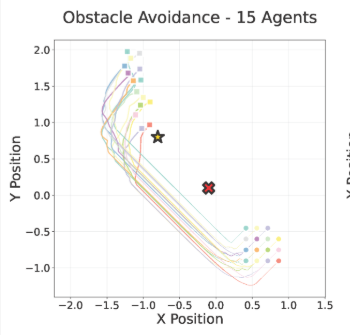
This paper investigates the scalability limits of decentralized swarm robotics coordination using Graph Neural Networks (GNNs), exploring how these models perform as the number of agents increases significantly.
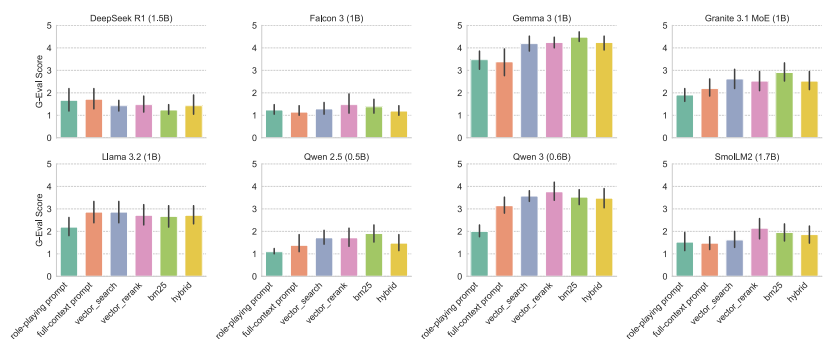
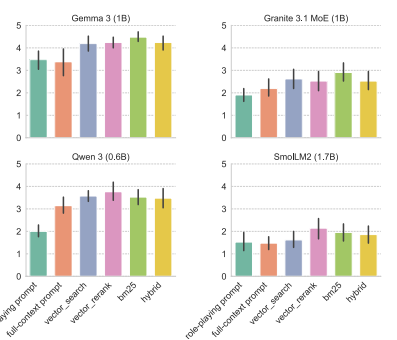
The study presents a medical chatbot system for hypertension management that leverages Retrieval-Augmented Generation (RAG) to enhance the reliability and accuracy of open-source Small Language Models (SLMs).
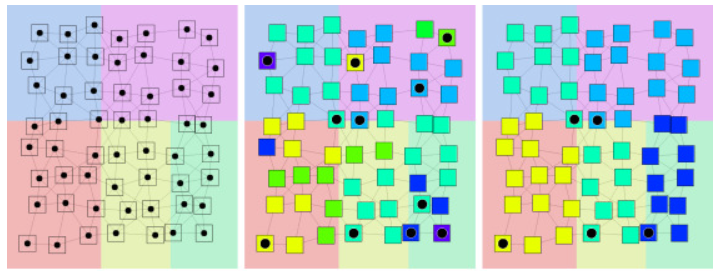
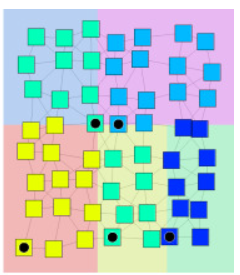
This work proposes a decentralized, proximity-aware clustering mechanism for IoT devices to enable autonomous, self-organizing federated learning in networks with localized communication.
2024
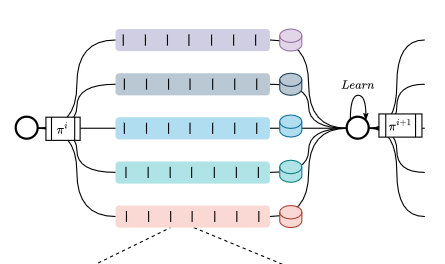
This work introduces a modular and reusable simulation pipeline that facilitates the training and evaluation of reinforcement learning algorithms in many-agent systems.
2023
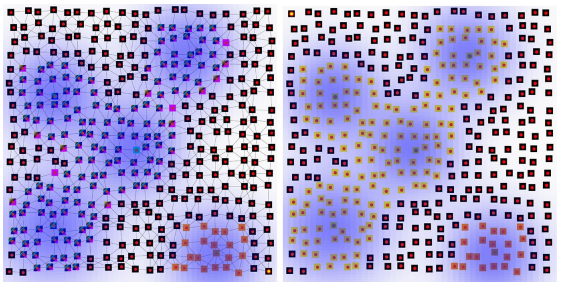
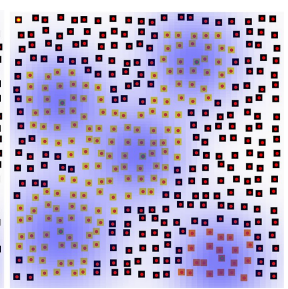
This paper presents a field-based approach for robot swarms to achieve robust and scalable clustering based on local sensing and aggregate programming.
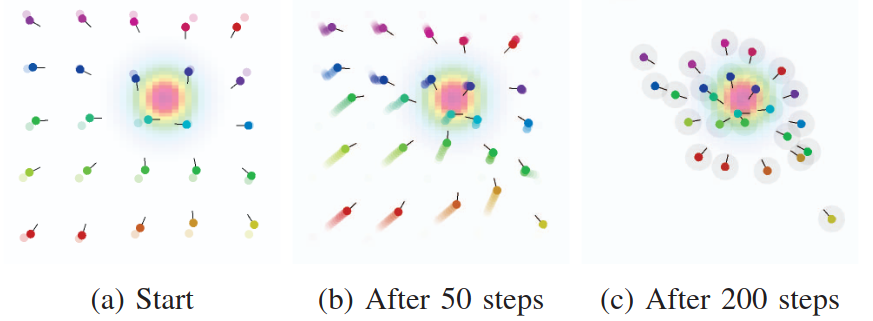
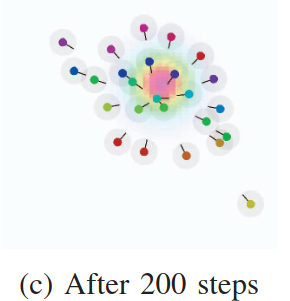
Proposes a framework that leverages aggregate computing fields to provide local spatial context to Graph Neural Networks, improving reinforcement learning for collective tasks.
2022
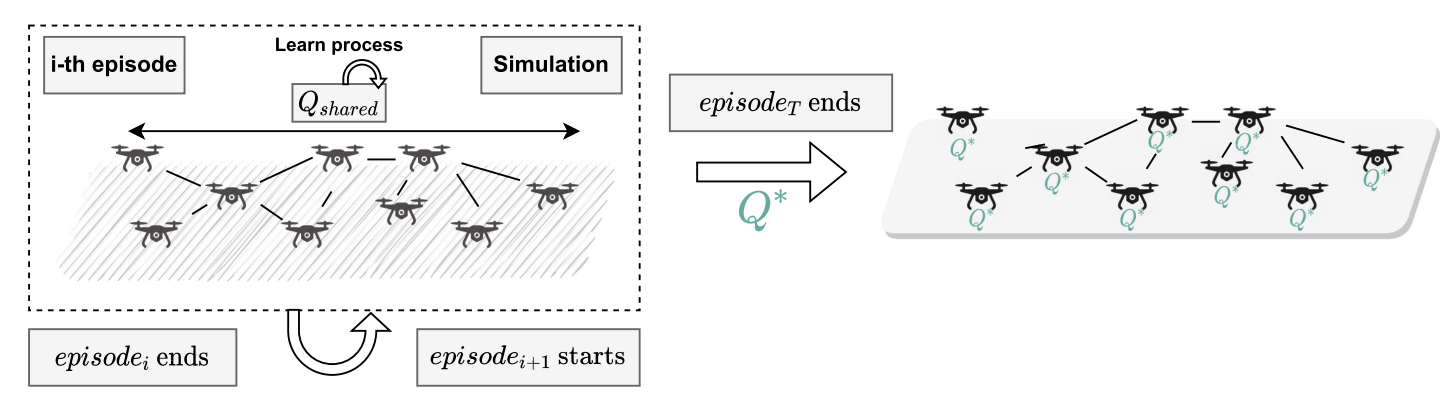
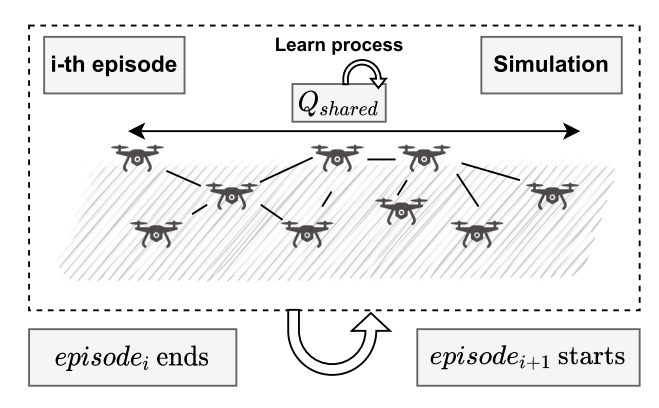
This work proposes integrating reinforcement learning with aggregate computing to enable collective systems to learn and adapt their behaviors dynamically in uncertain environments.
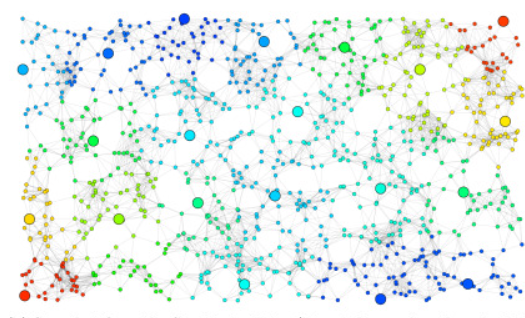
This paper introduces ScaFi, a Scala-based domain-specific language and toolkit for engineering large-scale distributed systems using the aggregate programming paradigm.
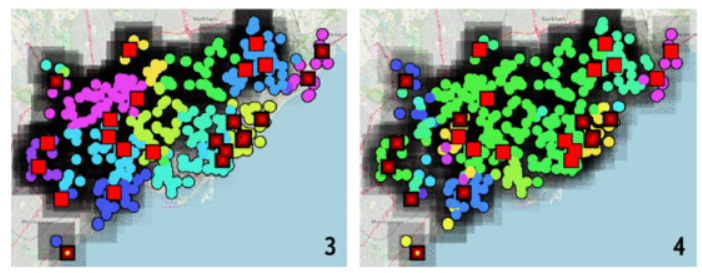
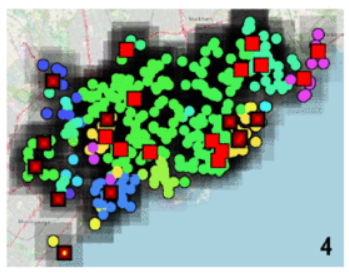
This paper proposes dynamic decentralization domains (3D) as a mechanism to manage and adjust the scope of decentralized coordination in IoT systems.
2021
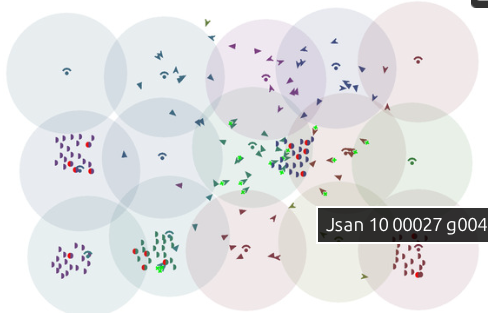
This paper defines an agent control architecture for aggregate multi-agent systems and discusses how aggregate computing supports both individual and collective autonomy.